

Why Shadow Detail In Photographs Is Sometimes Overrated — Plus Seven Masters Who Lose It
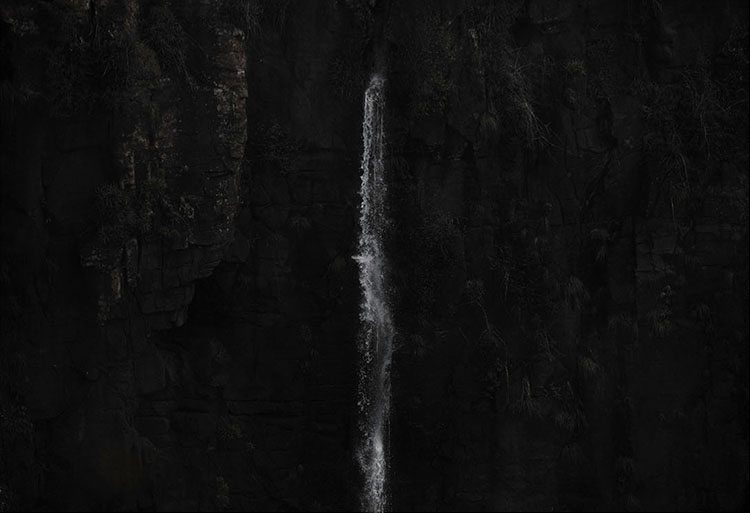
We’re often taught that good photographic technique means preserving detail from the brightest highlights to the deepest shadows. We expose carefully, process selectively, and use increasingly sophisticated tools to recover the information our cameras capture. But just because detail is there doesn’t mean we need to see it.
More information doesn’t necessarily produce more expression. Sometimes revealing everything can actually diminish a photograph. Shadows can conceal, simplify, suggest, intensify, and transform. What we don’t see can become as important as what we do.
Think of Ridley Scott’s Alien. Unlike its sequels, the creature in the first film is most terrifying largely because we rarely see it clearly. We catch glimpses and fragments. We don’t fully understand its form, what it’s becoming, or what it can do. What the film withholds creates a space our imaginations rush to fill. What we imagine may be more disturbing than anything we could be shown.
Shadows can work the same way. When a photograph describes everything, less is left for the viewer to discover. Suppress information and other things become more active: atmosphere, mood, ambiguity, imagination. What isn’t supplied invites the viewer to participate.
This doesn’t mean blocked shadows are inherently expressive. Losing detail indiscriminately is no more creative than preserving it indiscriminately. The question isn’t whether shadow detail is good or bad. The question is: What does the photograph need? What function do the shadows serve? Does the form fit the function?
What Can Lost Shadow Detail Do?
Create atmosphere.
Forms don't need to disappear into black to lose detail. Mist, haze, smoke, and low contrast can obscure information while making atmosphere itself palpable.
Establish depth.
Detail and tonal separation can change with distance. Controlling how much we see—and where—can organize space and intensify atmospheric perspective. The blackest black is closest.
Intensify mood.
Darkness carries emotional weight. Allowing shadows to overtake a scene can make it intimate, contemplative, brooding, ominous, or mysterious.
Create suspense.
Forms hovering on the threshold of visibility can hold our attention precisely because we can’t quite apprehend them. The eye keeps looking.
Make light more luminous.
A pool of light surrounded by darkness appears brighter than the same value surrounded by midtones. Sometimes darkness gives light its power.
Sorry, the comment form is closed at this time.