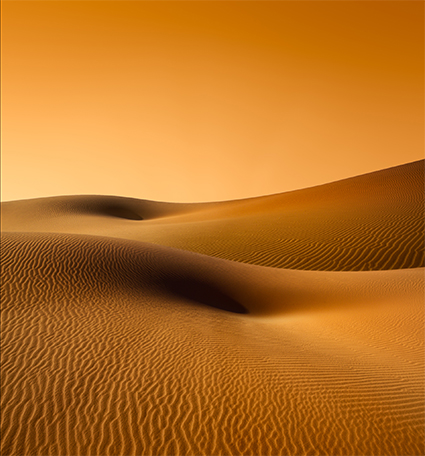
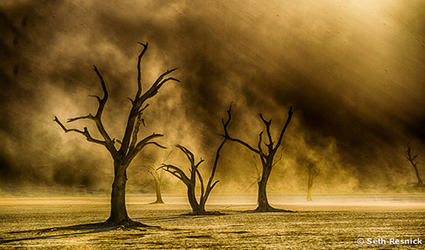
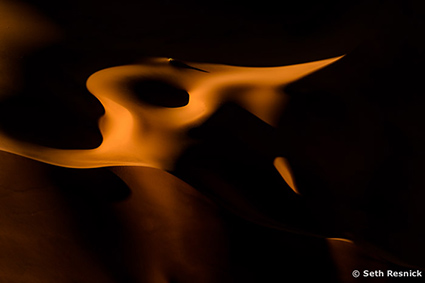
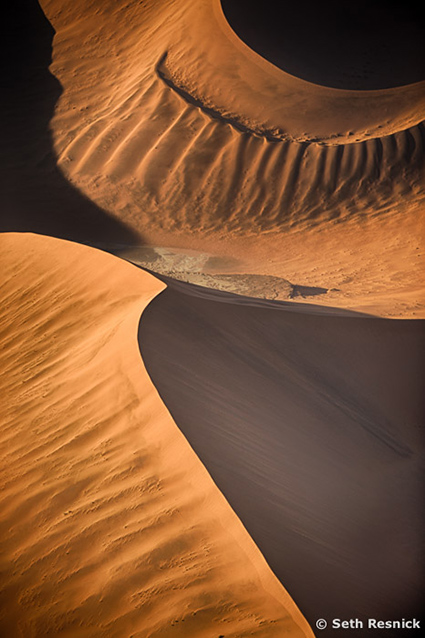
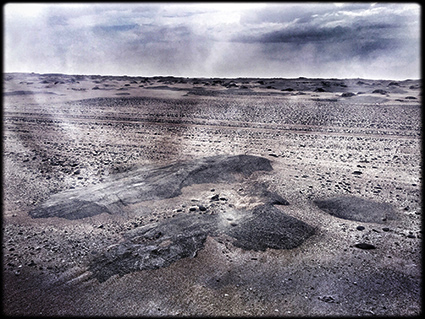
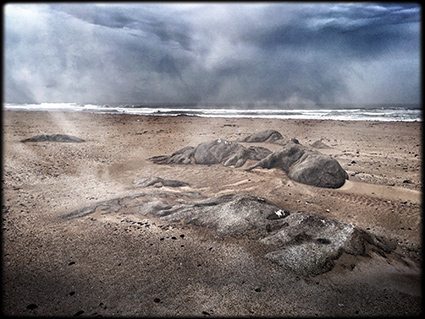
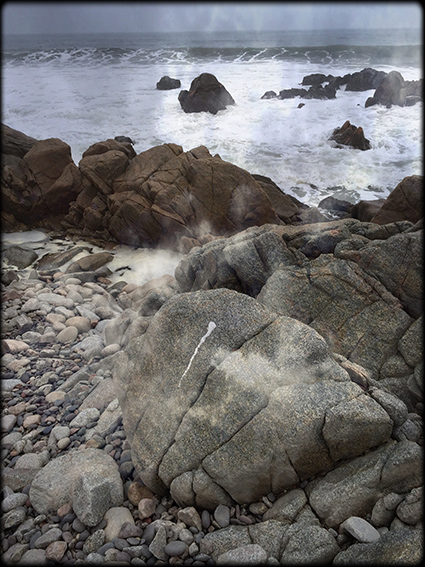
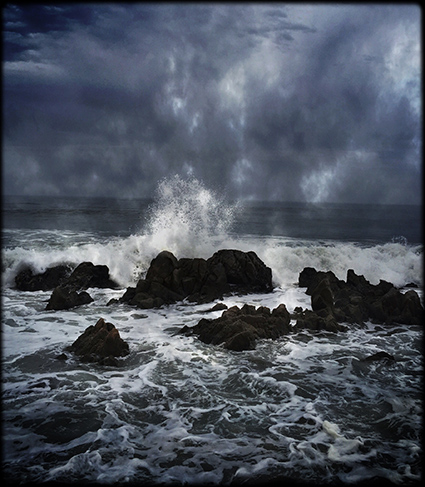
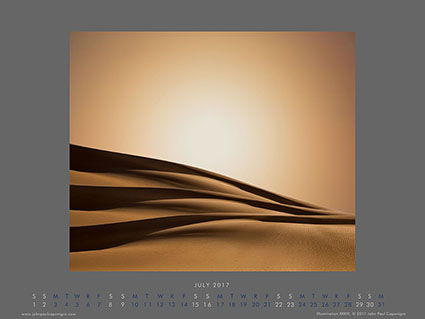
New Images – Aerials – Sossusvlei, Namibia
February 8, 2012 | Leave a Comment
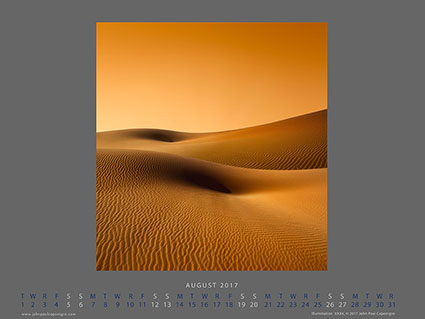
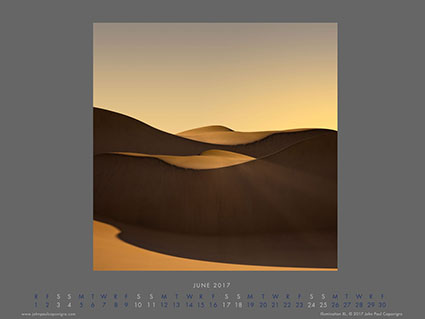
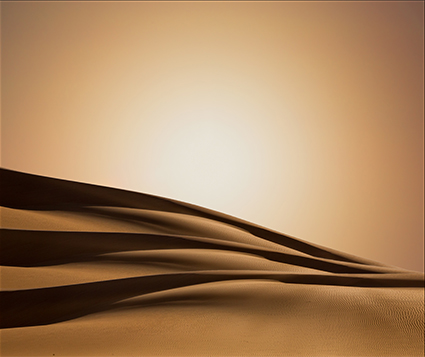
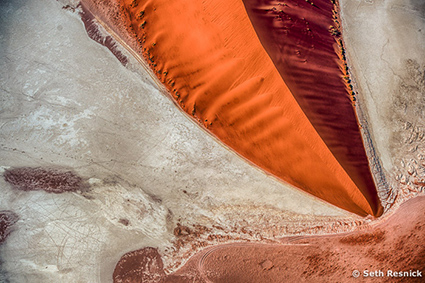
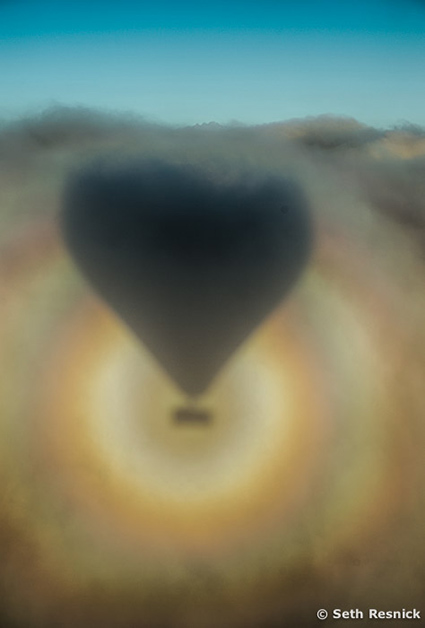
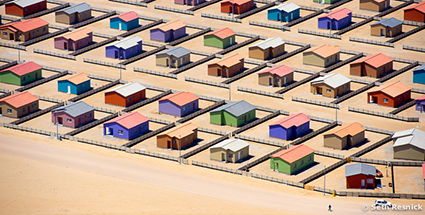
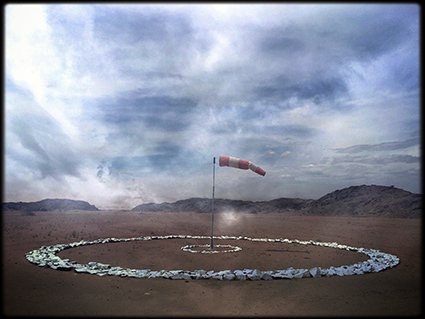
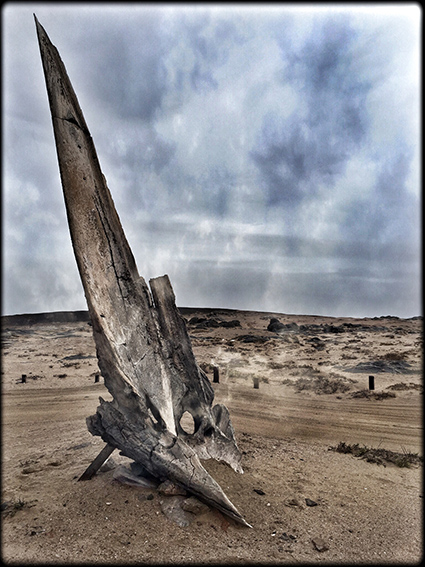
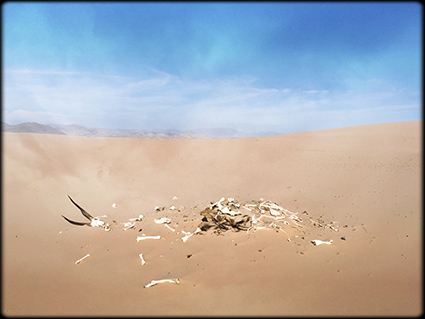
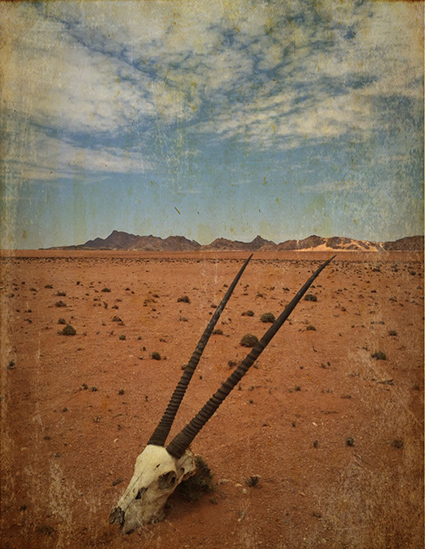
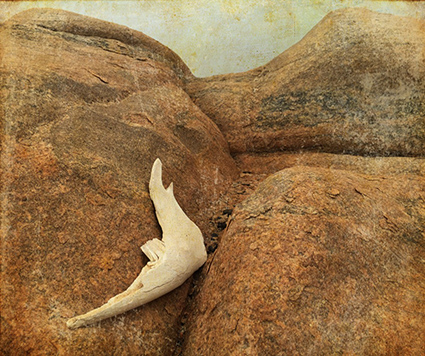
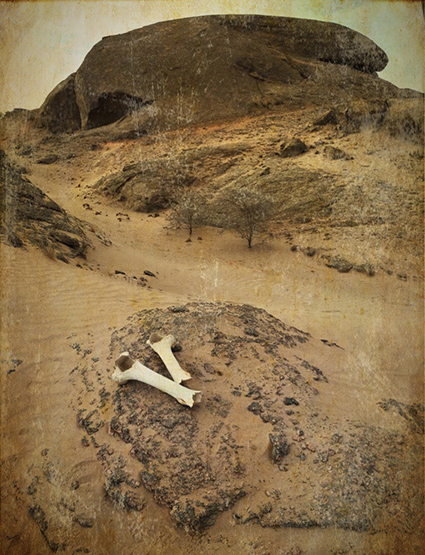
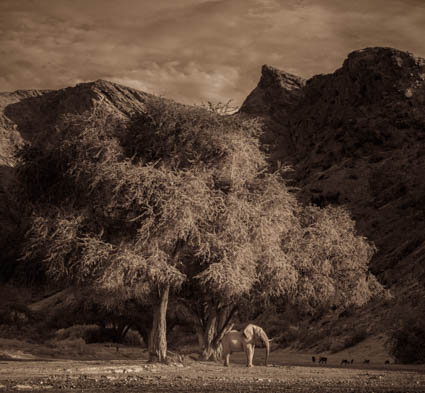
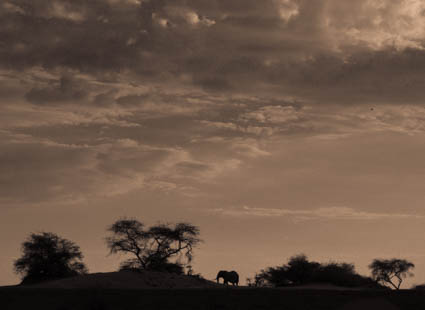
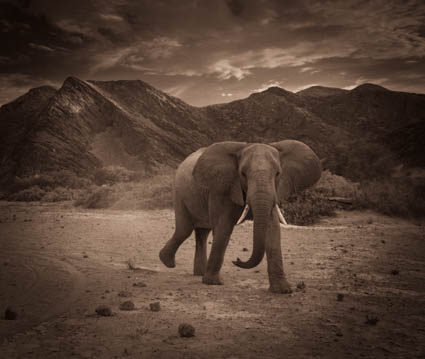
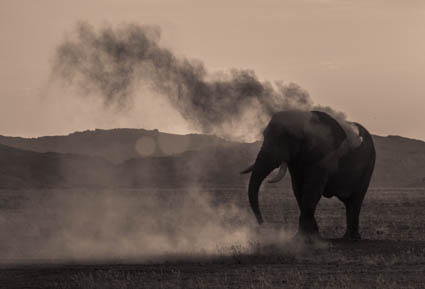
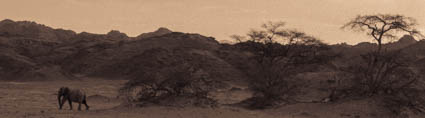
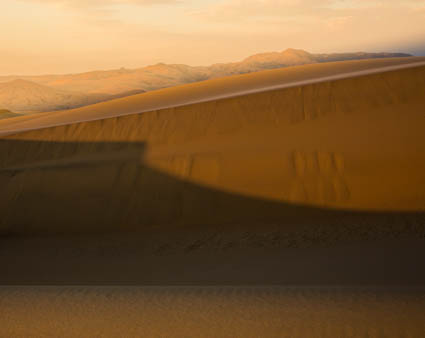
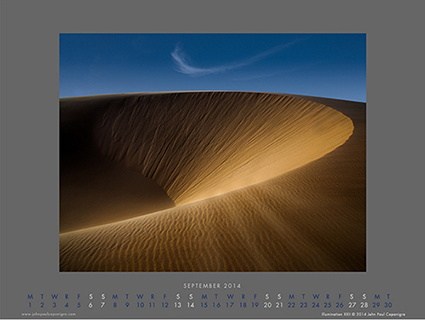
I’ve just completed a new suite of images from Sossusvlei, Namibia.
You can view previous images from Namibia here.
You can find more images here.
The Art of Packing
January 13, 2011 | Leave a Comment
Find my Equipment Packing List here.
Find my Clothes Packing List here.
There’s an art to packing. Practice it with care. You’ll get better every time you do it. Learning this art will help you make the most of any photographic expedition and enjoy it more.
Do pack the essentials. Don’t pack too much. Travelling with too much is hard to handle, tiring, and can be costly. Less is more – up to a point.
Clothing
It’s tempting to bring too much clothing. Bring only versatile essentials. Find light, washable, quick-drying, versatile clothing you can walk or go to a casual dinner in. Find out ahead of time what kinds of laundry services will be available during your trip and plan to use them – frequently. Bring a good pair of light waterproof hiking boots. Dress shoes don’t work when you’re walking in the wilderness. Bring sun protection; sunscreen, hat, and sunglasses. Unless you’re travelling in a desert, bring waterproof rain shells (jacket and pants). If you’re likely to be in cold situations (early mornings or snow), bring light gloves, hat, long underwear, and a warm light sweater or pullover. If you’re going to be in an arctic or alpine environment bring two pairs; staying dry is key. Leave the big ski parkas and pants home. Layers rule.
Bags
The right bags can make journeys easier. Wheels save you an enormous amount of wear and tear. Make sure your camera and/or computer bag fits under an airplane seat or in overhead compartments. (I use LowePro MiniTrekker and Roadrunner bags.) If you’re flying on small airplanes to more remote regions, check weight limits and take them seriously. Check your clothes; carry your gear. Avoid checking your gear; it can get damaged or stolen. If you’re ever forced to check your gear, carry on one camera and lens around your neck. I travel with one larger camera bag and one small backpack. I carry on the camera bag and pack the backpack in my checked baggage. Once I’m in the field, I walk with my small backpack carrying only the things I need for that location – camera, cards, extra battery, two lenses, water, power bar. (I always pack power bars, for morning when breakfast is light or late or mid afternoon when my fuel reserves can get low.) I also pack an extra duffle bag, just in case I need to check an extra bag – it comes in handy for laundry too.
Cameras and Lenses
Always carry a backup camera. If one is damaged or stolen, you’ll still be able to shoot with the other. It’s convenient (but not necessary) if the two cameras you carry are the same. That way you’ll only need to carry one set of accessories, like batteries, chargers, cords, etc.
Your choice of lenses is important. Lenses help you make the most of many situations. I travel with lenses for three ranges – wide, medium, and long. I rarely walk with all three lenses. To decide which lenses to take, I first look at the location and decide whether I’m most likely to work wide (close environments) or long (wide open spaces), take the appropriate lens, and a medium lens for versatility. All of my lenses are zooms, providing extra versatility. (Canon 16-35mm, 28-135mm, and 100-400mm) Lens shades are important. Polarizing filters are the most useful filters.
Dust and Moisture
Protecting your equipment from moisture and dust is a significant concern. I pack all of my lenses and cameras in sealable plastic bags. (I use Ziplocs.) I store them in them, whenever I’m not using them. I never put my gear away wet. Pack a small cloth to wipe down equipment that does get damp. If you’re likely to shoot in rain or snow consider using a rain cover for your camera. (I use Aquatech’s.) Bring a sensor cleaning system. (I use Visible Dust products.) Dust happens. It’s a lot more efficient to remove it in the field than in post-processing.
Storage
Having the right media to store your images is important. It’s worth investing in a few large media cards so you don’t run out of storage to shoot with in the field. (I use SanDisk 32GB CF cards). At the end of each day, I download onto one portable hard drive and backup to a second.. (I use LaCie 1TB Rugged drives.) When I fly, I pack one in my suitcase and carry one with me at all times. You might also consider carrying a large capacity thumb (32GB plus) drive with you at all times. Put your 5 star images on it. What if your hard drives were lost or stolen? You can replace equipment, but you’ll never be able to replace your images.
Customs
Getting all your gear through security and customs is rarely a problem. That said, in any security situation where my equipment is being screened I take as many precautions as practical to ensure equipment doesn’t fall out of a bag or bin and isn’t dropped when it’s handled. Clearing customs can be more problematic in some countries than others. Do a little research on the web and determine if a carnet (an official government document proving ownership) is recommended. Even if it’s not, I always travel with a copy of my insurance policy that lists my equipment and the serial numbers of each piece.
Before you travel, take the time to get organized and be prepared. You’ll make better photographs and enjoy traveling more too.
Find out about the tools I use here.
Learn more in my digital photography workshops.
Crop or Retouch ?
December 22, 2010 | Leave a Comment

As visual communicators, we’re responsible for everything that’s in the frame; we’re also responsible for everything that’s not in the frame. Deciding what’s in the frame and what’s out is a critical decision that can make or break an image. Here are two essential framing strategies.
1.?Use the frame to eliminate distracting information around a subject.
Take extra care with image information that touches the frame, as it will draw extra attention. Do this with significant compositional elements.
2.?Eliminate space around a subject to focus a viewer’s attention.
A lot of space between the subject and the frame can be used to call on psychological associations with space, such as freedom or isolation. Some space between the subject and the frame can give the appearance of the subject resting gracefully within the frame. Touching the subject with the frame strongly focuses the attention of the viewer and may seem claustrophobic. Cropping the subject with the frame can focus the attention of the viewer on specific aspects of the subject and/or give an image a tense quality, evoking evasion and incompleteness—this often seems accidental if less than half the subject is revealed.
There’s more than one way to apply these strategies. While cropping techniques are simple to practice, the reasons for their application and the choices made about how to apply them, as well as the final effects, may be exceptionally complex. You have two choices ..
1. Reposition the frame before exposure.
2. Contract the position of the borders of an image after exposure
If you plan to retouch, you’ll frame and crop differently …
Read more at Digital Photo Pro …
Find more digital photography techniques here.
Learn more in my digital photography worskhops.
White Sands Workshop 2010 – Keepers
November 23, 2010 | Leave a Comment
Here are a few of the keepers participants made during last weekend’s White Sands 2010 workshop. Sunrise and sunset locations were complemented by midday reviews. We’ll do it again in 2011!
Enter Now to Win South Africa Photo Safari Sweepstakes
November 19, 2010 | Leave a Comment
“Enter to win a complete South African Photo Safari Experience and thousands of dollars worth of best-of-breed products and services from the biggest names in the photography business!
Led by famed photographer John Paul Caponigro (Sept 26 – Oct 5, 2011), this private photo safari will take you on a wide-ranging exploration of South Africa. The safari will focus on photographing wildlife in the world-famous Sabi Sand Game Reserve and the many landscapes of the Cape Town region (world class vineyards, botanical gardens, and seascapes) by land and by air.
Sponsored by Artsy Coutre, Blurb, Datacolor, Graphic Authority, Lowepro, Nik Software, and Professional Photographers of America (PPA) and organized by renowned tour operator Eyes on Africa, you’ll experience some of Africa’s finest wildlife photography opportunities, great accommodations, and expert guiding. These two locations have been selected to create a private safari geared specifically toward serious wildlife, landscape and scenic photography.”
Plus runners up win fabulous prizes too!
Only 9 spaces are available in this unique workshop. Register today!
Plus, you can be one of only 5 people to join a special workshop extension to Sossusvlei, Namibia.
More Aerial Photography – Sossusvlei, Namibia
October 8, 2010 | Leave a Comment
Paul Tornaquindici described our helicopter ride during my Namibia workshop.
“Breathtaking! Strapped into a helicopter- doors removed and hanging out the side seeing the amazing dunes of Sossusvlei from above for the first time. The helicopter moved slowly over the dunes in the morning light as we photographed the remarkable beauty.”
Aerial Photography – Sossusvlei, Namibia
October 7, 2010 | 1 Comment
I recommend you seize every opportunity to photograph a location in the air.
When you go , take two cameras with different focal lengths. Use high shutter speeds (1000 plus). Ask your pilot to circle the most interesting areas and vary altitude. If possible, go doors off to reduce reflections. If it’s not, wear a black long sleeve shirt. Keep your lens/shade out of the wind. Shoot fast. As you fly, so will time.
Photographing the Sossusvlei dune fields by helicopter was a highlight for all of us during my recent workshop in Namibia. The views were simply divine. These images are all panoramic merges. We did a full 360 degree pano from the helicopter, just for fun.
Learn more in my digital photography workshops.
See Namibia By Air
July 7, 2010 | 1 Comment
Enjoy a bird’s eye view whenever you can.
We’ve arranged extra time in the air for my upcoming Namibia workshop.
The views of the desert and coastline are truly extraordinary from the air.
Explore Namibia with Google Earth and you’ll quickly see how fantastic it is.
Find out more about my Namibia workshop here.
Namibia Slideshow
February 24, 2010 | Leave a Comment

Enjoy a new gallery of my images from Namibia.
See the Google map that goes with it here.
Find out about my 2010 Namibia workshop here.
New ImageCloud – Namibia
February 22, 2010 | 3 Comments

Enjoy a new gallery of my images from Namibia.
See the Google map that goes with it here.
keep looking »Subscribe
Get the RSS Feed-
- Adventures
- Alumni
- Antarctica
- Antarctica 2009
- Apps
- Audio
- Books
- Business
- Calendar
- Canon Cameras
- Causes
- Cell Phone
- climate change
- Collected
- Color
- Composition
- Contests
- Conversations
- Creativity
- Destination
- Disclosure
- Discount
- Drawing
- DVDs
- eBooks
- Editing
- Environment
- Epson Print Academy
- Equipment
- Event
- Exercises
- Exhibit
- Experiment
- Exposure
- Green Actions
- Greenland
- Guest Blog
- Huffington Post
- iceland
- Images
- Influences
- Inspiration
- Interviewed
- iPad
- iPhone
- Lecture
- Lighting
- Lightroom
- Magazine
- Map
- Masterworks In My Collection
- Media
- Meditation
- Multimedia
- Namibia
- News
- Optical Illusions
- Packing
- People
- Photographer's Favorite Quotes
- Photographers
- Photographers – Q&A
- Photographers On Photography
- Photographers Video Conversation
- photography
- Photoshop
- Postcards
- Printing
- Published
- Q&A
- Quotes
- R/Evolution
- Radio
- Reading
- Requests
- Review
- Reviewing
- Science
- Screensaver
- Sculpture
- Seminar
- Sharpening
- Slideshow
- Social Causes
- Social Networks
- Software
- Special Guest
- Special Offer
- Statements
- Storytelling
- Technique
- Technology
- The Making Of The Print
- The Stories Behind The Images
- Travel
- Uncategorized
- Video
- Video – Artists
- Video – Creativity
- Video – Lightroom
- Video – Photographers
- Video – Photography
- Video – Photoshop
- Video – Quick Tips
- Website
- Winners Of The Day
- Workshop Giveaways
- Workshops
- Writing
- X-Rite i1Photo Pro
Archives
-
- May 2013
- April 2013
- March 2013
- February 2013
- January 2013
- December 2012
- November 2012
- October 2012
- September 2012
- August 2012
- July 2012
- June 2012
- May 2012
- April 2012
- March 2012
- February 2012
- January 2012
- December 2011
- November 2011
- October 2011
- September 2011
- August 2011
- July 2011
- June 2011
- May 2011
- April 2011
- March 2011
- February 2011
- January 2011
- December 2010
- November 2010
- October 2010
- September 2010
- August 2010
- July 2010
- June 2010
- May 2010
- April 2010
- March 2010
- February 2010
- January 2010
- December 2009
- November 2009
- October 2009
- September 2009
- August 2009
- July 2009
- June 2009
- May 2009
- April 2009
- March 2009
- February 2009
- January 2009
- December 2008
- November 2008
- October 2008
- September 2008
- August 2008
- July 2008
- June 2008
- May 2008
- April 2008
- March 2008
- February 2008
- December 2007
- September 2007
- April 2007
- March 2007
- February 2007
- December 2006
- November 2006
- October 2006
- August 2006
Categories
Blogroll
Topics & Friends
WP Cumulus Flash tag cloud by Roy Tanck requires Flash Player 9 or better.